The Florida Gardening Calendar: Month-by-Month Landscape Guide
A calendar can help organize Florida garden work, but a date that makes sense for one part of the state may not fit another. The key is to start with the regional edition, then adapt its monthly suggestions to your yard’s conditions and priorities. This guide explains how to use the calendar throughout the year without treating it as a one-size-fits-all schedule.
Why Florida Gardeners Need a Regional Calendar
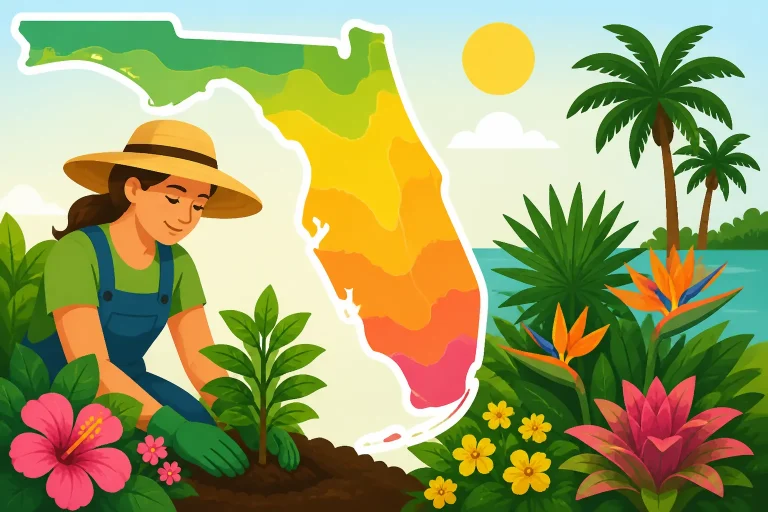
Florida yards do not all share the same growing conditions. The state’s regional differences affect when plants respond to warmth, when cold can be a concern, and how quickly a gardening task may need attention. A calendar is most useful when it reflects the area where the garden is located, rather than offering a date meant to work everywhere.
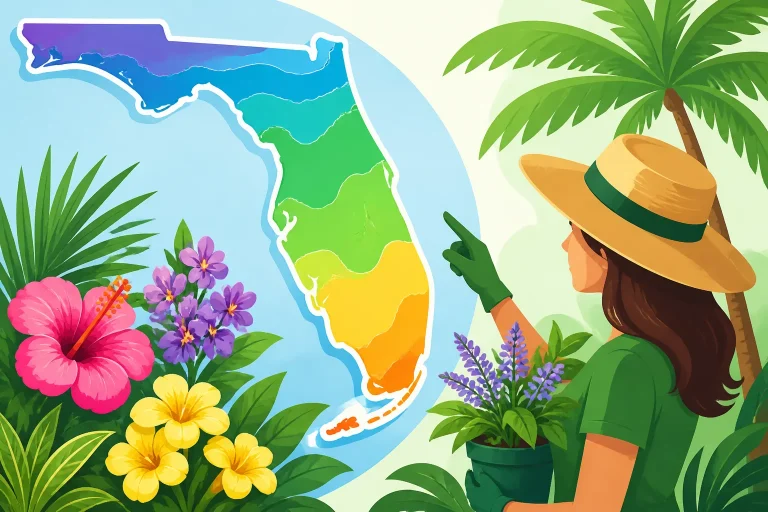
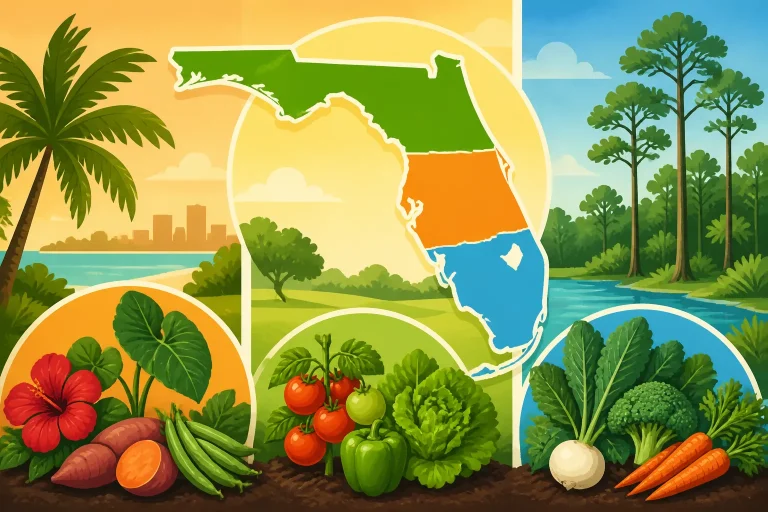
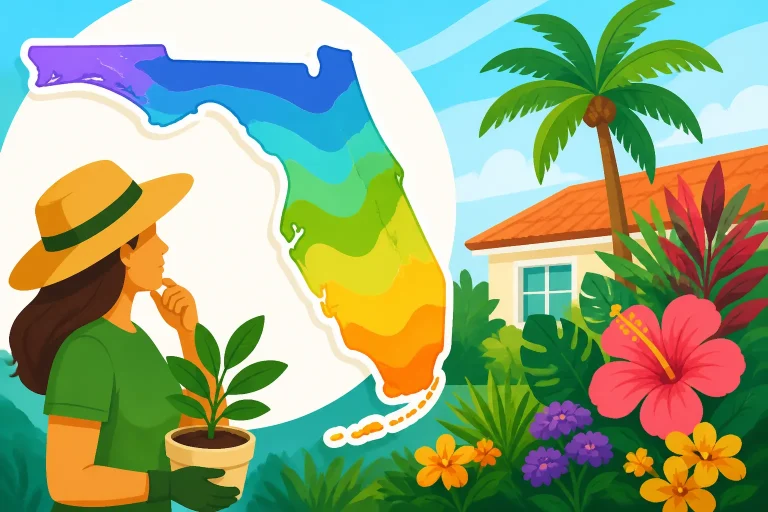
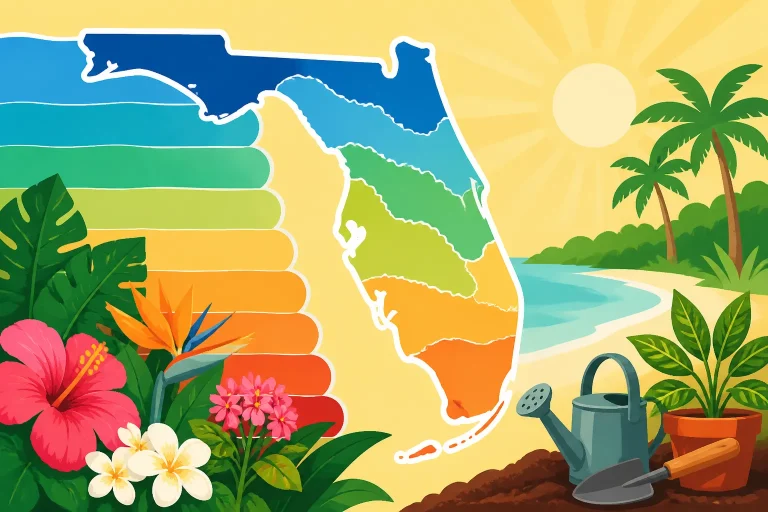
According to the University of Florida, Institute of Food and Agricultural Sciences (UF/IFAS), the Gardening Calendar is a monthly guide that gives Florida gardeners guidance on what to plant and do, includes links to gardening websites, and is based on UF/IFAS research and expertise. The organization offers separate editions for North, Central, and South Florida.
Start by using the edition that matches your region. Then consider the conditions that make your own yard different from nearby properties. A coastal yard, a sheltered patio, a low spot that stays damp, and an open bed that receives strong afternoon sun can all behave differently. A regional calendar gives a useful starting point, but the garden itself provides important context.
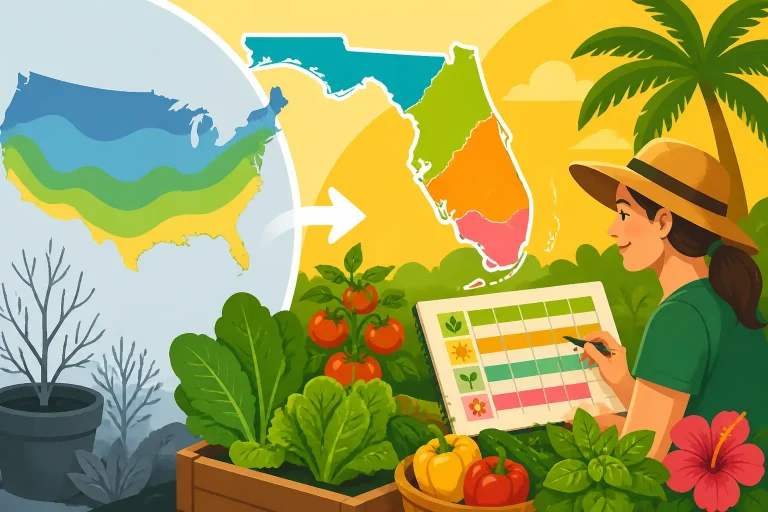
Hardiness zones can help with questions about a plant’s ability to withstand winter cold, but they do not supply a complete planting schedule. If you are comparing a plant’s cold tolerance with your local growing conditions, see How to Find Your USDA Hardiness Zone in Florida by ZIP Code. For planting decisions, it is also useful to understand why timing relies on more than a map: Why Florida Vegetable Timing Relies on Region Over Hardiness.
A monthly calendar is not a promise that every suggested activity will suit every yard on that month’s first day. Treat it as a planning aid. Check the recommendation, look at the current condition of your site, and decide whether the task fits the plant, weather, and soil in front of you.
How to Read the Calendar and Adapt It to Your Yard
A good way to use a monthly calendar is to separate the recommendation from the decision to act. The calendar can point you toward a planting opportunity or a landscape task. Your yard helps determine whether that opportunity is right for the specific spot you have in mind.
Begin with the regional edition
Open the edition that applies to your part of Florida, then review the current month and the months ahead. Looking forward helps you avoid buying plants or preparing a bed before you understand whether the planned activity fits the calendar. Looking back can help you see whether a missed opportunity is still relevant or whether it is better to wait for another suitable window.
If you are not sure which gardening region to use, North, Central, or South: Finding Your Florida Gardening Map can help you think through the regional choice. You can also compare the broader approach in Reading the UF/IFAS Florida Gardening Calendar by Region.
Separate calendar tasks into useful groups
Instead of treating every calendar entry as an instruction to complete immediately, sort activities into practical categories:
- Planting: Decide what you may want to add and whether the location is ready.
- Maintenance: Identify care tasks that apply to plants already in the landscape.
- Preparation: Note work that supports a future planting or seasonal change.
- Observation: Watch for changes in plant growth, soil moisture, or weather that affect whether a task should proceed.
- Research: Follow a calendar link when you need more detail about a particular plant or practice.
This simple sorting process makes a long list easier to use. It also helps distinguish a task that requires advance preparation from one that is only relevant if a particular plant or problem is present.
Check the site before following a recommendation
Before planting, consider where the plant will go. Is the spot sunny or shaded? Does water drain away, or does the area stay wet after rain? Is there enough room for the plant to reach its mature size? Can you reach it to water, prune, or harvest? These questions help you decide whether a calendar suggestion is suitable for your yard rather than simply timely in the abstract.
The location can change what succeeds. A yard’s light and soil conditions may not match the assumptions you make from a ZIP code alone. For more on this, see Why Neighborhood Soil and Sun Alter Your ZIP Code Planting Date and When Local Florida Microclimates Outweigh Mapped Zones.
Keep recommendations and observations together
A calendar becomes more valuable when it is paired with brief notes about your own site. Record what you planted, where it went, and what conditions you noticed. You might note that a bed stayed wet, a container dried quickly, or a shaded area received less light than expected. These observations help you interpret future recommendations and recognize patterns in your landscape.
Do not treat a single result as a universal rule. A plant’s response may reflect its location, care, weather, or condition at the time it was planted. Use your notes to ask better questions and make thoughtful adjustments, rather than to assume that one outcome applies to every part of the yard.
Month-by-Month Landscape Planning
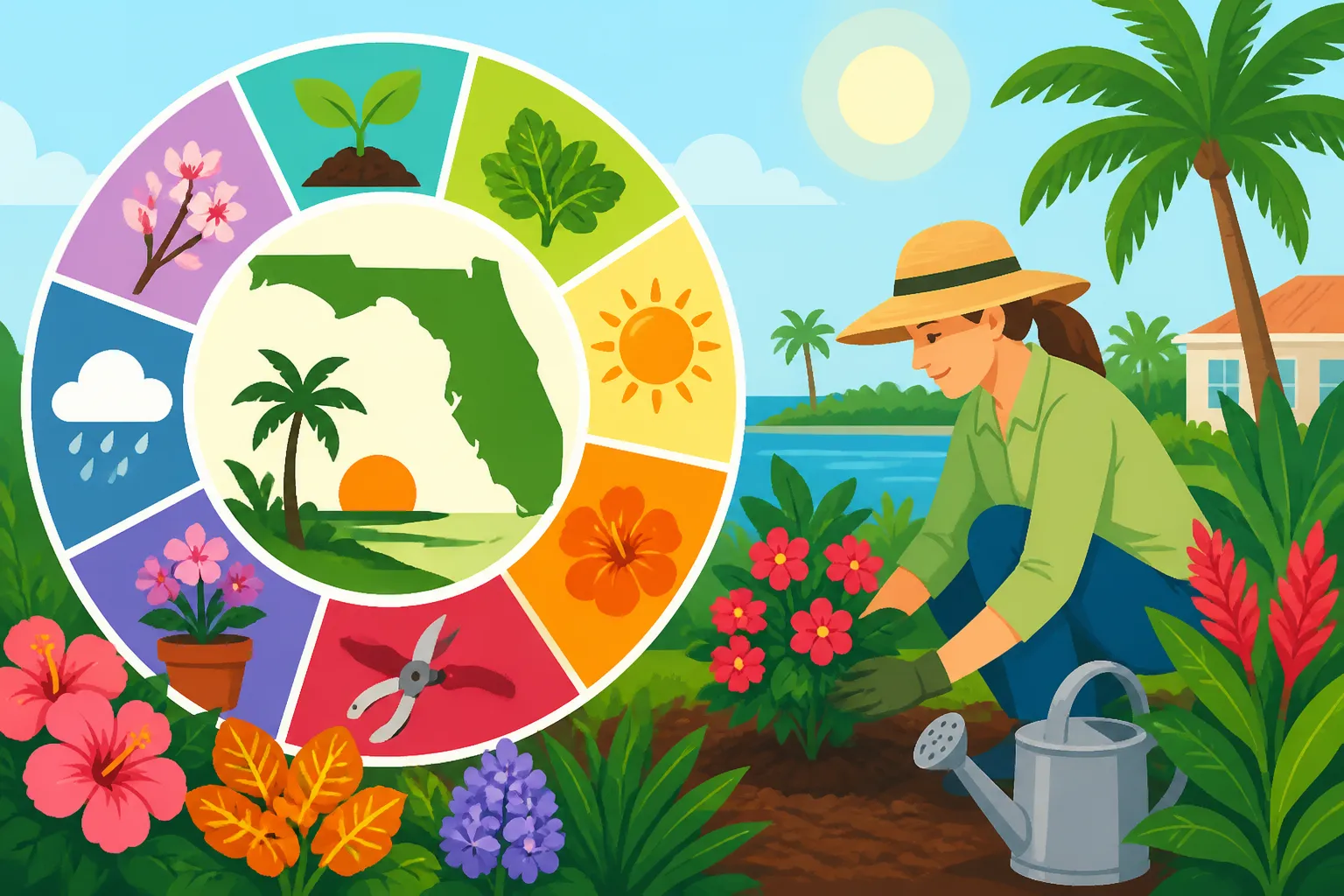
The calendar is most useful when each month becomes a check-in, not a demand to complete every possible task. The prompts below are planning steps. For specific planting recommendations, follow the appropriate regional edition and any linked guidance for the plant or activity you are considering.
January
Use January to review the landscape after the conditions of the past month. Look for plants that appear stressed, areas where water collects, and places where cold-sensitive plants may need attention if the forecast raises a concern. Avoid assuming that a plant is permanently damaged based on one brief inspection; note what you see and continue to observe it.
This is also a practical time to check your garden plan. Decide which beds or containers you want to maintain, what space may become available, and what you need to find out before planting. If cold is relevant to a decision, consult local forecast information rather than relying on a calendar date as a guarantee. Checking Freeze Dates for Your Nearest Florida Weather Station explains why local information matters when considering cold risk.
February
In February, look ahead to the work you hope to do as the season changes. If you plan to start plants or prepare a bed, check the calendar recommendation and make sure you understand the requirements for that specific crop or plant. Gather supplies only after confirming that the plan fits your region and site.
Use this month to inspect garden areas for weeds, damaged structures, compacted-looking surfaces, or places where drainage is a concern. The right response depends on what you find; not every bed needs the same preparation. For vegetable projects, Planning Your Florida Vegetable Plot: Soil Prep to Pest Scouting offers a broader planning framework. If you are deciding whether to sow directly or use transplants, Direct Sowing vs Starting Transplants for Florida Garden Crops can help you compare the approaches.
March
Use March as a chance to check whether planned planting areas are ready, rather than assuming that a month name alone means the work should begin. Look at the soil, drainage, light, and likely care demands of the plants you want to grow. Confirm that the calendar’s recommendation applies to your regional edition and to the kind of plant you have chosen.
If you are setting up a new bed, sketch its layout before moving plants or buying materials. Leave workable access for tending the space and consider whether nearby trees or structures will change its light. Make a short list of the decisions still open: what to plant, where it will go, and what information you need before proceeding. For vegetables, the regional approach in Florida Vegetable Planting Calendar: When to Grow Each Crop can help connect crop choices with local timing.
April
In April, review how the landscape is responding to changing conditions. Check whether new or established plants are receiving suitable light and whether the soil is drying or staying wet. A calendar can help you identify possible tasks, but the condition of the planting area should guide whether you act on them.
For a new planting, make sure you have a realistic plan for establishment care. A plant that fits the calendar but goes into an unsuitable spot can still struggle. Consider access to water, exposure, drainage, and the amount of routine maintenance you can provide. If you are planning a vegetable bed, keep track of what was previously grown there and how you will manage the bed as one planting gives way to another. Scheduling Vegetable Rotations Between Spring and Fall Cycles offers more context for planning those transitions.
May
May is a useful month to assess how well the garden plan fits the conditions that are emerging in your yard. Pay attention to beds or containers that receive intense sun, areas that dry quickly, and plants that show stress. Do not assume that a general watering schedule will suit every location; check the soil and the plant before changing your routine.
For planned additions, ask whether a plant is suited to the site and whether you can support it through the conditions it will encounter. Some gardeners may be weighing whether to keep planting, shift to a different project, or prepare space for later. The right choice depends on the regional calendar and local conditions, not on a single statewide deadline. Crops That Can Handle Florida Summer Heat in the Garden can help when considering which vegetable options may better suit a hot growing period.
June
Use June to observe how moisture and heat affect different parts of the landscape. A sunny container, a shaded bed, and an area near a building may need different attention. Look at the soil and plant response before deciding whether watering or another task is needed. If a plant wilts, check the surrounding conditions instead of assuming that lack of water is the only possible cause.
This is also a good time to review what you want the landscape to do for the rest of the year. You might focus on maintaining existing plants, managing a bed between plantings, or researching a different type of planting. The calendar can help identify possible actions, while your own observations help narrow them down. For vegetables, Growing Summer Vegetables vs Solarizing Beds for Fall can help frame a choice between continuing a summer crop and preparing a bed for later use.
July
In July, keep the focus on checking conditions rather than following a rigid checklist. Observe how plants respond to heat, rain, and soil moisture. Notice whether water runs off, drains through quickly, or remains around roots. These details can point to a site issue that a calendar entry alone cannot diagnose.
If you are thinking about a new planting, confirm that the recommendation applies to your region and that the plant can be cared for in its intended location. Be cautious about starting a project simply because supplies are available. A suitable planting window, the condition of the bed, and your ability to maintain the planting all matter. For a vegetable garden, What Vegetables to Plant in July and August Before Main Florida Fall provides a focused seasonal reference to compare with your regional calendar.
August
August is a good time to make a deliberate plan for the next phase of the garden. Review which areas are still productive, which need attention, and which could be prepared for another use. If you are planning a transition, make a note of what needs to happen first, such as clearing an area or confirming that a planting choice suits the site.
Check seedlings and containers carefully if you are raising plants for later transplanting. Look at light, drainage, and signs of stress, and use crop-specific guidance for care rather than guessing. A transition into a different growing period is not the same in every part of Florida, so check the appropriate calendar before choosing dates. Managing the Late Summer Transition Into Florida’s Fall Garden can help you organize that change.
September
Use September to compare your garden’s condition with the upcoming recommendations in the regional edition. Decide which planting spaces are ready, what still needs preparation, and whether the plants you have selected fit the site. Avoid treating the start of a new month as proof that every planned task should proceed.
In a vegetable garden, planning ahead can make the difference between a considered transition and a last-minute choice. Review what has been growing, what space will be free, and whether you want to continue the same crop group or change the use of the bed. For seasonal options, see Florida Fall Vegetable Guide: Crops for Cool Weather. If greens are part of your plan, Sowing Fall Greens Across Florida’s Three Gardening Regions offers a narrower reference to use alongside the calendar.
October
In October, check whether newly established plants are settling into their locations and whether beds are being used as planned. Look for signs that a plant is struggling, but avoid making several changes at once without identifying a likely cause. Soil moisture, drainage, light, and planting location are all worth checking before changing care.
Review the calendar for any work that supports future plantings, then separate the tasks you can complete from those that depend on weather or site conditions. This is also a sensible point to revisit plant choices before adding more. A plant may be attractive or readily available but still be a poor match for the space. The regional options in Fall and Winter Vegetables to Direct-Sow Across Florida Regions can help inform a vegetable plan when direct sowing is being considered.
November
Use November to review the condition of the landscape and prepare for the conditions that may come with the cooler part of the year. Check which plants are sensitive to cold and where they are growing, but rely on current local forecasts for decisions that depend on imminent weather. A calendar is a planning tool, not a forecast.
For garden beds, look ahead at what you want to grow and whether the site is ready. Pay attention to drainage and access, especially where rain or wet soil may affect the work. If you are considering cool-season vegetables, match the crop to the calendar guidance for your region and the space available. When to Start Cool-Season Crops Across Florida Regions is a useful companion when narrowing down that plan.
December
Use December to take stock and plan rather than assuming that the garden is inactive. Review what worked, what struggled, and what you want to change. Your notes can help you distinguish a plant-selection issue from a location or care issue. If a plant did well in one spot but poorly in another, compare the light, soil moisture, and exposure before drawing a conclusion.
Check the calendar for upcoming tasks and make a manageable plan for the next cycle. If cold weather is expected, use current forecast information to guide any timely protective decisions. Different plants have different levels of vulnerability, so consider the plant and the forecast rather than applying one response to the whole yard. How to Protect Florida Garden Beds Ahead of an Overnight Freeze provides more detail for thinking through cold-weather preparation.
Turning Monthly Suggestions Into a Year-Round Plan
A calendar is easier to follow when you use it to make a sequence of decisions. Instead of writing down only the month when you hope to plant, note the steps that need to happen before and after. This turns a date into a plan that can adapt when the yard or weather does not cooperate.
Work backward from the planting
For any new planting, ask what has to be true before you begin. The location needs to suit the plant. The bed or container needs to be ready. You need to understand any care requirements and have a plan for establishment. If you are working with seeds, transplants, or a plant that needs special handling, consult guidance specific to that planting method.
Then look forward. Consider what maintenance the planting may require and whether you will have time to provide it. A calendar may identify when planting is an option, but your schedule and the site’s condition also matter. If a recommended period is approaching and the bed is not ready, focus on getting accurate information and preparing thoughtfully instead of rushing.
Use a short planning record
A notebook, digital calendar, or simple garden chart can help you keep track of decisions. For each area, record:
- What you intend to plant or maintain.
- Which regional calendar recommendation you are using.
- What site conditions you checked.
- What preparation remains.
- What you observed after completing the task.
The purpose is not to create a complicated record. A few clear notes can help you remember why a choice was made and whether the result matched your expectations. If a planting fails, the record may help you identify what to investigate next.
Keep the plan flexible
Weather, soil, and plant condition can shift a plan. If the bed is too wet, a plant is not ready, or conditions differ from what you expected, pause and reassess. A missed date does not automatically mean that the activity can be moved to a later day without consequence. Check whether the recommendation still applies, and consult a more specific resource if the timing is important to the plant.
Flexibility also means avoiding unnecessary work. A calendar can include more activities than a particular landscape requires. If you do not grow a plant mentioned in a recommendation, that task may not apply. If a bed is healthy and functioning well, a prompt may be a reason to inspect rather than a reason to make a change.
Use the calendar with other planning tools
The regional calendar is one part of a sound gardening plan. Plant labels, crop-specific guidance, local weather information, and observations from the yard can answer different questions. A calendar can suggest when to consider an activity; another resource may explain how to do it; local observation can help determine whether the conditions are suitable.
For vegetables, Guide to Florida Vegetable Garden Planning and Crop Care can help connect timing with broader garden care. For landscape plant choices, Choosing Garden Plants for Florida Sunlight and Soils can help you evaluate whether a plant fits the location. Use these resources to fill in the detail that a brief calendar entry may not provide.
Applying the Calendar to Different Parts of a Landscape
A landscape calendar can cover more than vegetables. The same planning approach works for ornamental beds, shrubs, trees, containers, and lawns, but the questions you ask differ by planting type. Avoid applying a crop schedule to an ornamental planting or assuming that a month’s advice for one part of the landscape automatically applies to another.
Vegetable beds
Vegetable plans often involve choosing a crop, preparing a bed, deciding whether to sow seed or use transplants, and thinking about what will follow. Check the regional recommendations and then consider the bed’s recent use, soil condition, light, water access, and available space. Keep a note of planting and harvest observations so that future plans are based on more than memory.
If you are growing several crops, organize the calendar around the needs of the plants rather than treating the bed as a single project. A crop that is ready to plant may not fit a space occupied by another crop. A task that benefits one section of the garden may not be needed elsewhere. Succession Planting in Florida for a Steady Vegetable Harvest can help when you are planning a series of vegetable plantings.
Trees, shrubs, and perennial beds
For longer-lived plants, use the calendar as a prompt to review care and planting opportunities, not as a reason to make a rushed change. Check the mature size, light needs, drainage, and proximity to structures before adding a tree or shrub. These choices can shape a landscape for years, so getting the location right is at least as important as finding a suitable planting period.
For existing plants, observe their condition before pruning or changing care. A task that is appropriate for one plant may not suit another. The plant’s flowering pattern, growth habit, and health can affect what work is useful. If you are selecting a new plant, Selecting Landscape Trees for Florida Yards and Soil Types and Florida Flowering Trees and Shrubs: Choosing Color for Your Yard offer additional ways to think through the decision.
Containers and small spaces
Containers can be convenient, but they do not necessarily behave like garden beds. The amount of soil, exposure to sun and wind, and drainage can change how quickly the growing medium dries or becomes saturated. Check the container and plant directly rather than assuming the care pattern of an in-ground bed will fit.
Before adding a container plant, consider whether the pot has appropriate drainage and whether the location provides suitable light. Also think about the effort involved in checking moisture and moving or protecting the pot if conditions change. A calendar can help you identify an appropriate planting opportunity, but the container’s location and care needs should guide the final decision. Balcony and Patio Container Plants for Florida Spaces offers ideas for choosing plants for smaller outdoor areas.
Lawns and broader landscape maintenance
A monthly calendar may also prompt attention to landscape maintenance beyond planting. For lawns, shrubs, and established beds, identify the issue before changing care. Brown patches, wilting, or poor growth can have different causes, so a calendar reminder is not a diagnosis. Check the plant or turf, the soil, and the surrounding conditions, then consult a resource specific to the problem.
Before applying any pesticide, herbicide, or fertilizer, follow the product label, which is the legal instruction for use. If you are unsure what a product is intended to address, seek reliable guidance before applying it. The calendar can help organize seasonal attention, but it should not replace product instructions or a proper diagnosis.
Common Mistakes When Using a Florida Gardening Calendar
A calendar is a useful starting point, but a few habits can make it less effective. Avoid these common planning errors.
- Using an edition for a different region: Recommendations may not fit your local conditions. Begin with the regional edition that applies to your location.
- Treating a month as a fixed deadline: Calendar entries help with planning; they do not guarantee that weather, soil, or plants will be ready on a particular day.
- Assuming a recommendation applies to every yard: Light, drainage, exposure, and available care can differ within the same neighborhood.
- Planting without checking the site: A plant that is suitable in general may still be poorly placed in your landscape.
- Trying to complete every listed task: Some activities do not apply to every yard. Focus on tasks relevant to the plants and problems you actually have.
- Making several changes before identifying a problem: If a plant looks unhealthy, observe the conditions and investigate possible causes before changing multiple parts of its care.
- Ignoring the months ahead: Advance planning can reveal when you need to prepare a bed, choose a plant, or find more detailed guidance.
- Relying on old notes as universal rules: Use past observations as clues, then check whether the current site and conditions are similar.
The strongest approach combines a regional calendar with observation and good judgment. Read the recommendation, check what is happening in your yard, and follow more specific guidance when a task has special requirements.
Frequently Asked Questions
Is the Florida Gardening Calendar the same across the state?
No. UF/IFAS provides regional editions, so start with the one that fits your part of Florida. Then adapt recommendations to your yard’s light, soil, drainage, and exposure.
Should I plant on the first day of the month listed?
Not automatically. A calendar month is a planning window, not a guarantee that conditions are suitable on a particular date. Check the regional recommendation, the planting site, and relevant weather conditions.
Can a hardiness zone replace the regional calendar?
No. A hardiness zone can help with questions about winter cold tolerance, but it is not a complete guide to planting dates or all the conditions that affect a garden. Use regional calendar guidance for timing and consider the specific site.
What if a calendar task does not apply to my yard?
Skip it if you do not have the relevant plant, bed, or need. A calendar is a menu of guidance, not a requirement to perform every listed task.
How can I make the calendar more useful next year?
Keep brief notes about what you planted, where it went, and how it responded. Compare those observations with the calendar and site conditions before making future decisions.
Sources
- University of Florida, Institute of Food and Agricultural Sciences (UF/IFAS) — Florida Gardening Calendar – Solutions for Your Life – University of Florida, Institute of Food and Agricultural Sciences – UF/IFAS (checked November 14, 2026)
Disclaimer
This article is for general informational purposes only and does not constitute professional advice. Laws, prices and regulations vary by location and change over time. Consult a qualified professional for guidance on your specific situation. Florida Gardening Guide is not a government agency and is not affiliated with any university extension, state department of agriculture or other government agency.